When I first started our vegetable garden, I made the classic beginner mistake of planting a little bit of everything. With the result that I ended up with lots of work but not very much food. After a few years of seeing what our family actually likes and eats, and tracking the harvests, I’ve worked out our real kitchen garden superstars. The 10 most productive vegetables (and fruit) that consistently deliver plentiful harvests without taking up too much space.
10 Most Productive Vegetables That Give the Biggest Harvest for Your Space
And yes, I realise, botanically speaking, tomatoes, beans, courgettes, cucumbers, and peppers are fruits, but the Gods of SEO don’t care. So, for the purposes of getting this article found on Google, I’m lumping them all together under vegetables. (FYI: a fruit is defined as a seed-bearing structure that develops from a flowering plant).
Cordon Cherry Tomatoes
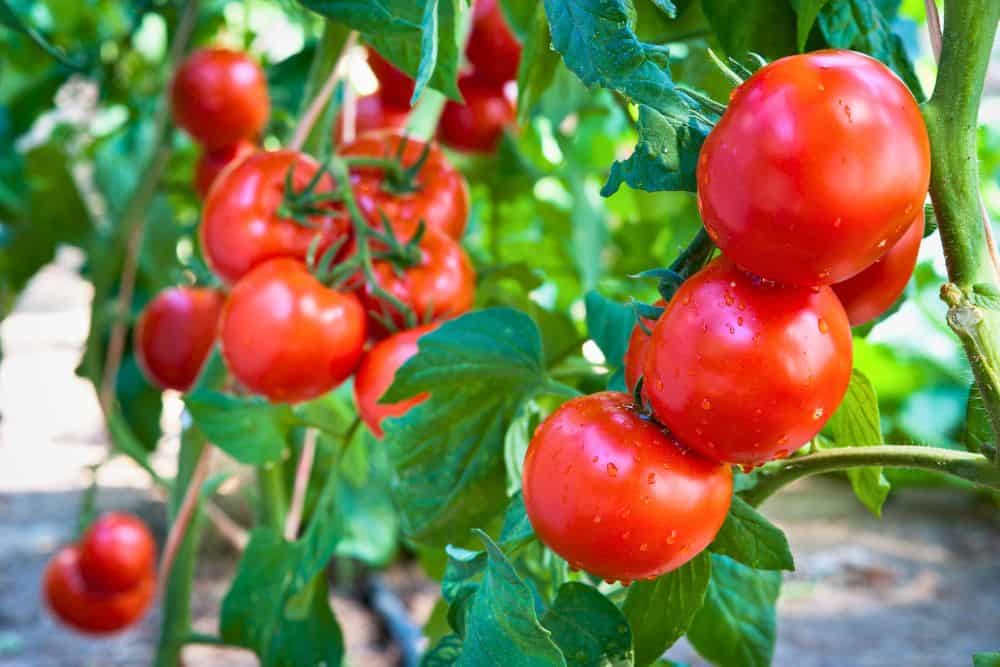
If you’re looking for maximum production from minimum space, nothing beats cordon or vine (indeterminate) cherry tomatoes. A single healthy plant in our greenhouse routinely produces a bowl full of sweet, juicy tomatoes every week from early Summer until late September. This year, I have three Rainbow Blend cordon cherry tomato plants* on the go – red, orange, yellow – for some colourful salads.
The key to maximising cherry tomato yields is proper support. I plant ours in plant halos* with canes, tying in the branches as necessary, and pinching out the side shoots to encourage more fruits. This allows the plants to grow vertically, taking up just 2 square feet of ground space. Of course, regular watering and liquid feeding also help maintain production through the heat of Summer.
After September, the lack of light means the green tomatoes left on the vine won’t ripen. But silver linings, I use them to make some moreish green tomato chutney instead.
Courgette and Summer Squash
Despite their reputation for overwhelming gardeners with produce (another rookie error, in my first year I planted six plants!), two healthy courgette plants in our garden provide more than enough for our family of three, with plenty left over for our friends and neighbours. Each plant occupies about 3 square feet and can easily produce 3 fruits a week each during the growing season.
If you want a longer harvest, you’ll need to try succession planting. So, instead of putting all your plants in at once, start your first set in Spring, then plant another set about 6-8 weeks later. And if you don’t have enough ground space, you can also try container-friendly courgette varieties like Eight Ball* – as the name suggests, they’re globes rather than truncheons.
Climbing Beans
After growing both dwarf (bush) and climbing (pole) beans, I’ve found climbing beans consistently outproduce dwarf varieties by at least 3 to 1 in the same space. Which makes perfect sense when you think about it, because they just keep growing up and up and up…
Our favourite variety is French Bean Cobra*, which produces huge harvests of delicious, tender beans (provided you don’t let them get too large). We grow our climbing beans on teepees made from 8-foot bamboo poles, with 10 plants around each teepee. And happily, the more you pick, the more the beans your plants will produce. It’s a good idea to check your plants every two days during peak season, harvesting even the smallest beans to keep production high.
Leaf Lettuce
While head lettuce (such as Iceberg or Romaine) requires substantial space for a one-time harvest, and takes time to mature, loose-leaf lettuce varieties such as Gourmet Looseleaf* can be harvested repeatedly from the same plants. Using the cut-and-come-again method, we’ve harvested several salads a week from a single 2×2 foot area over the course of the growing season. That said, we do love the flavour of Cosberg Sweet Success lettuce*, which we treat like loose leaf rather than letting it grow into a full head.
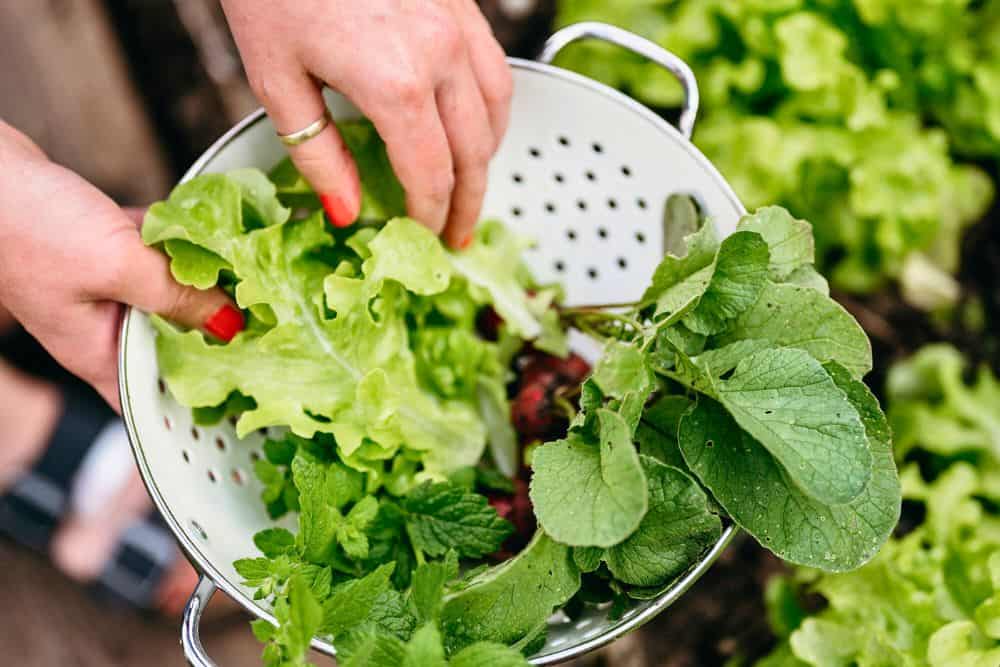
Tip: lettuces don’t like the heat, so plant in partial shade during Summer months, such as between your climbing bean wigwams. And succession planting every 2-3 weeks will ensure you have plenty to pick from Spring through to Autumn.
Swiss Chard
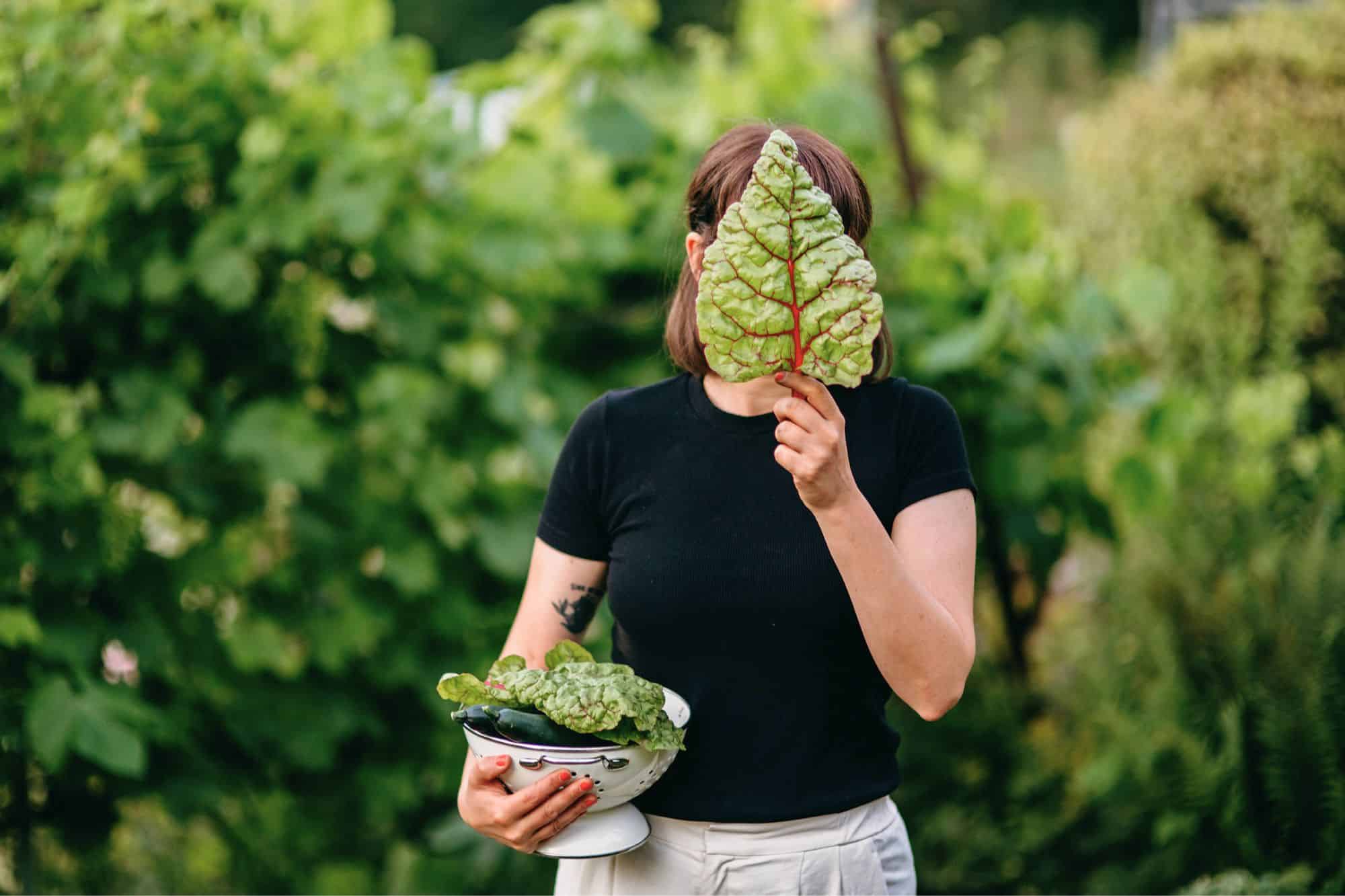
If we could only grow one leafy green, it would be Swiss Chard. Unlike spinach that bolts in hot weather or lettuce that turns bitter, chard produces consistently over the season, and even overwinters in milder climates. From a 4-foot row, we harvest a huge amount of leaves and stems weekly throughout the season, making it one of the most productive vegetables in our garden.
Our favourite is the Rainbow Chard Bright Lights*, which not only crops heavily but also adds some wonderful colour to both garden and plate. Tip: plant your chard relatively close together (about 6 inches apart) and harvest the outer leaves while leaving the growing centre intact. This “cut and come again” approach means you’ll get continuous harvests from the same plants for months at a time.
Kale
For sheer persistence and productivity, kale stands out year after year, making it a regular entry in our top ten most productive vegetables and fruits. A 4-foot row of kale plants typically provides baskets of leaves each week, for months on end. Unlike many vegetables that fade after their peak season, kale actually improves after light frosts, becoming sweeter and more flavourful. (As do Winter root vegetables and sprouts, but they all take up more room).
We particularly love Kale Nero Di Toscana*, whose baby leaves don’t get too tough. Tip: planting kale closely (about 12 inches apart) and harvesting the lower leaves first lets you grow more in a small area. Kale often survives the Winter under heavy mulch, providing an early Spring harvest before most other vegetables have even been planted.
Cucumbers on Trellises
Vertical growing has transformed our cucumber production. We grow four plants in containers, outside against a trellis on a sunny wall, and harvest at least 4 plants a week in high season for a number of delicious cucumber dishes. You do need to keep tying them in and watering regularly – because cucumbers are mostly water if you think about it.
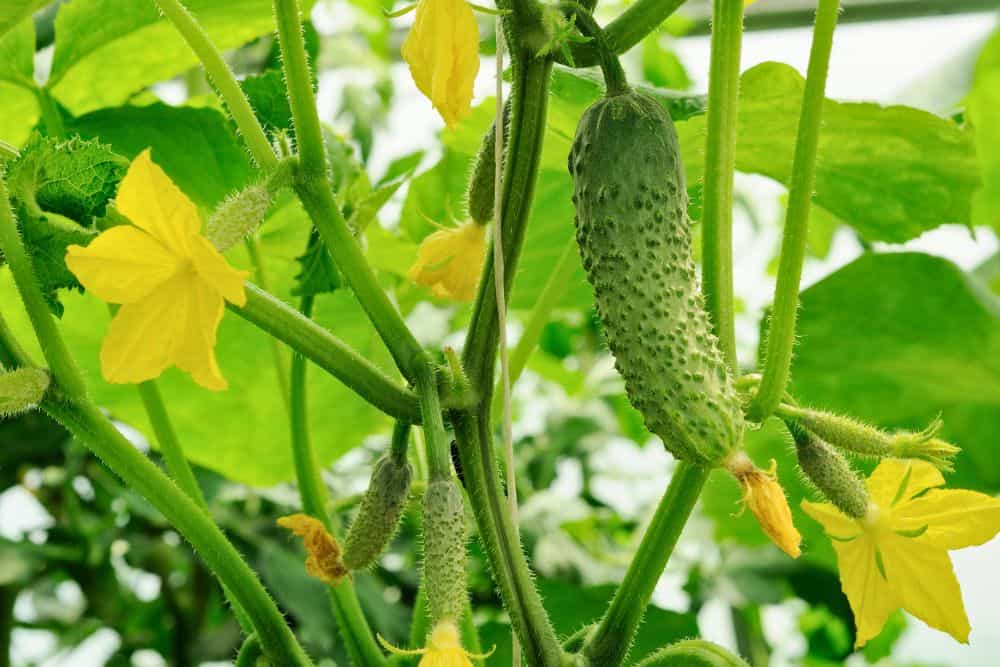
After trying a few different varieties over the years, our most reliable cucumber plants are La Diva*. Sweet, crunchy, and suitable for outdoor growing. Most importantly, they’re all female, so you don’t need to fiddle about trying to pollinate the flowers when they arrive.
Bush Tomatoes
While cordon tomatoes can grow unwieldy, compact bush (determinate) varieties offer the best of both worlds – continuous production in a manageable space, even in containers. Varieties like Sweet Million bush tomatoes* are sweet, juicy, and look wonderful tumbling from a hanging basket.
Bush tomato plants may not yield as much as their cordon cousins, but they only require minimal staking. Consistent watering is very important though, as is a layer of mulch to prevent moisture fluctuations that can cause problems like blossom end rot.
Spring Onions (Scallions)
Most people don’t think of onions as high-yield crops, but Spring onions break that rule. Plant them intensively (about 1-2 inches apart) and harvest them in stages, allowing some to grow to full size while picking others as needed. This way, you’ll get plenty over the growing season.
Tip: if you plant perennial Spring onions* like Performer, they’ll divide naturally over time. With minimal care, a small initial planting expands each year, providing more and more harvestable stems, so all you have to do is dig up and divide any crowded clumps in Spring to expand your plants.
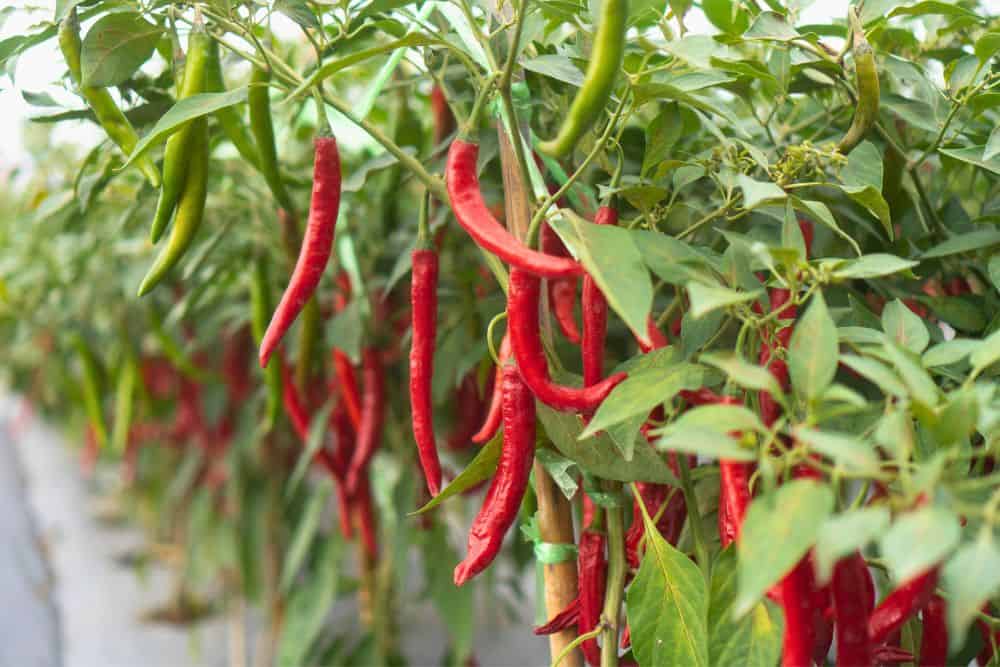
Chilli Peppers
Chilli peppers are a firm favourite in most gardens. Easy to grow in a greenhouse or sunny, sheltered spot, varieties like Jalapeño and Cayenne chilli pepper* can yield up to 30 fruits per plant over the course of a season, taking up just one square foot of space each. What you don’t eat there and then or give away, you can freeze for later. Tip: slightly stressing the plants actually increases yields. Watering deeply but infrequently once the plants are established will encourages flowering and fruiting.
Life on the Veg – Making the Most of your Space
The key to making the most of your harvest isn’t just choosing the most productive vegetables and fruits though, it’s also about using space-saving growing methods and succession planting. And then, if you pick the right plants and give them the best growing conditions, you can look forward to some deliciously plentiful crops, all without expanding your kitchen garden footprint. How good does that sound?
Which are your favourite vegetables and fruits to grow in your garden? Have you tried any of my top 10? Are there any others you’d recommend that crop heavily in a small space?
* This post contains affiliate links – please see my Disclaimer.




The classic new vegetable gardener is eager. Eager to try it all. But also doesn’t know what grows well in their soil or care. And along the way just like you, it becomes a learning through doing. I too have grown peppers or rather the peppers grew themselves because they require so little maintenance. Haha
“The peppers grew themselves because they require so little maintenance.” Oh I love that, it’s so true! 🙂
I tried tomatoes and I manage to grow some, but not too many. It is rewarding to grow fruits and veggies. I had a lot of salad, I should grow some this year as well.
Salad for the win – quick and easy!