
According to the latest study from the Butterfly Conservation charity, 80% of our nation’s butterflies have declined since the 1970s. That’s a whopping figure and a huge cause for concern as butterflies are an integral part of the UK ecosystem and this precipitous population decline is indicative of the wider biodiversity crisis. But by growing a few choice plants and providing butterflies and moths with a garden refuge, we can make a huge difference. Here are a few tips on how to create a butterfly garden to invite all manner of lepidopterans (butterflies and moths) into your own little wildlife space.
Why Create a Butterfly Garden?
Butterflies (and moths) are beautiful creatures, adept aerial artists, and excellent pollinators who play a crucial role in our ecosystems. And planning a garden for them not only helps their populations, it also gets us closer to Nature too. The best part is you don’t need to be an expert gardener, and you definitely don’t need a large outside space either – a courtyard, balcony, or even a window box will create the perfect small wildlife garden space for these amazing insects.
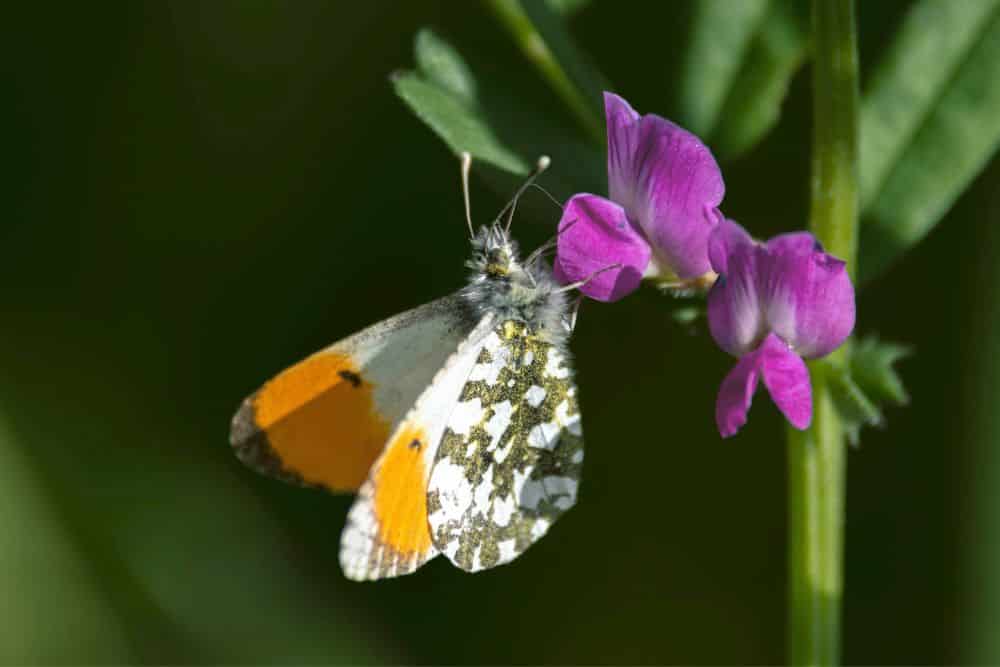
Planning Your Butterfly Garden
A little research is called for to begin with. You want to find out which plants are best for your garden and local butterfly and moth species. There’s no point in trying to grow plants that won’t survive in your area, or that your local butterfly and moth populations won’t like.
Location, Location, Location
Location is key. Not only do most plants prefer at least a few hours of sunlight (although some do thrive in shade), butterflies are cold-blooded creatures so they also prefer sunnier spots with at least 5-6 hours of sunlight. Moths on the other hand don’t need sunlight, although the plants they live and feed on probably will.
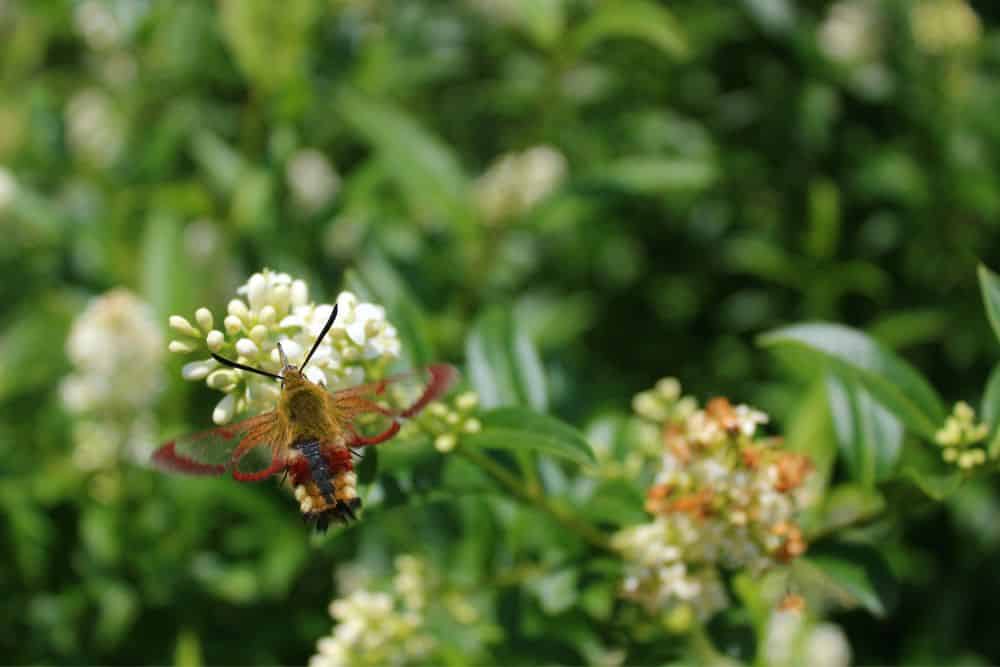
Pick the Right Plants
To thrive, butterflies and moths need two types of plants: nectar plants and host plants. Nectar plants act as their food source, while host plants give them a place to lay eggs and act as a food source for caterpillars.
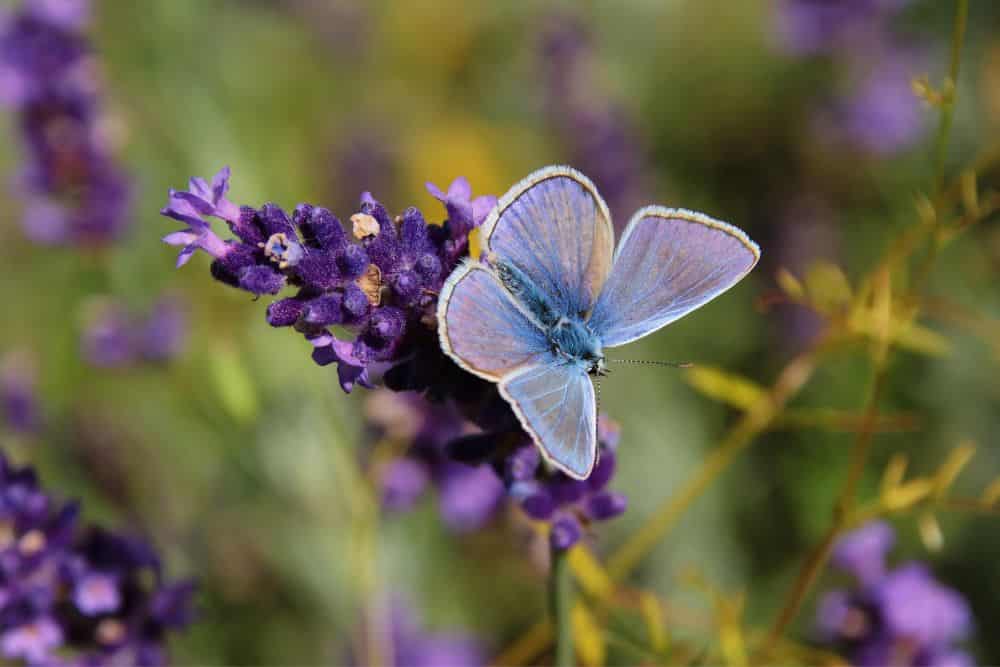
Alliums, geraniums, lavender, echinacea, salvia, valerian, cosmos, sunflowers, hyssop, cornflowers, knapweed, sedum, hebe, marjoram, zinnias, verbena, asters, honeysuckle, ivy, and buddleia (also known as the butterfly bush) are some options for your butterflies and moths.
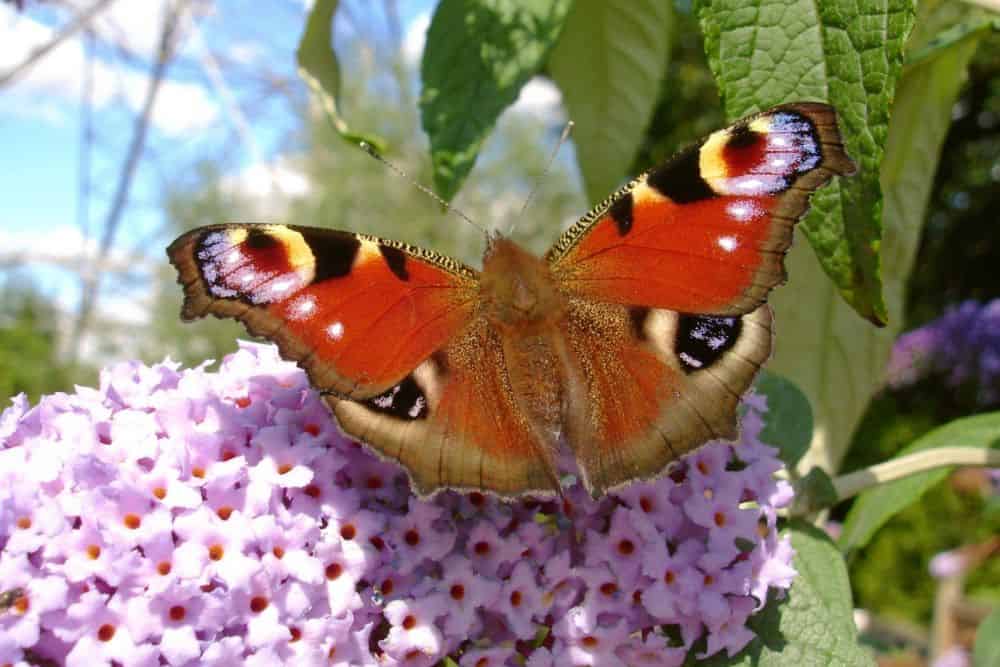
Lavender, marjoram, zinnias, hyssop, and salvia will be happy in pots or a window box, and buddleia can and does grow anywhere (just ask Network Rail). Tip: caterpillars also thrive on nettles and your brassicas, so planting some nasturtiums next to your cabbage and broccoli for them to feed on is a good idea if you’d like to harvest anything to eat yourself…
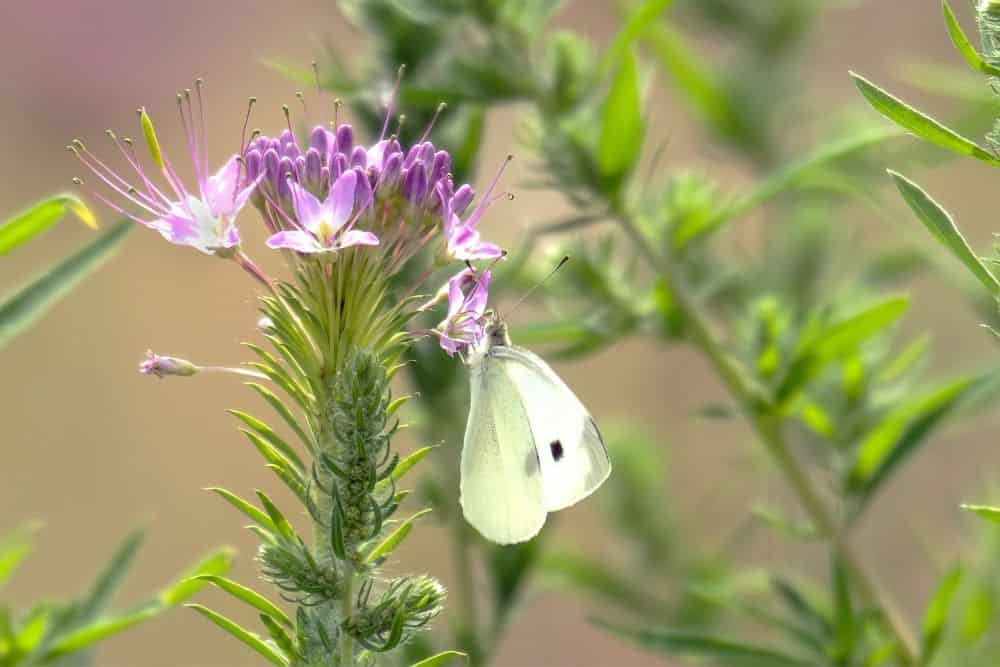
Try and grow as many different plants as possible, to attract a wider variety of species. And keep on top of your deadheading and watering, to encourage new blooms and a plentiful supply of nectar. If you can, leave an area of grass uncut and let some weeds such as dandelion and birds foot trefoil flourish – the bees will thank you for this too.
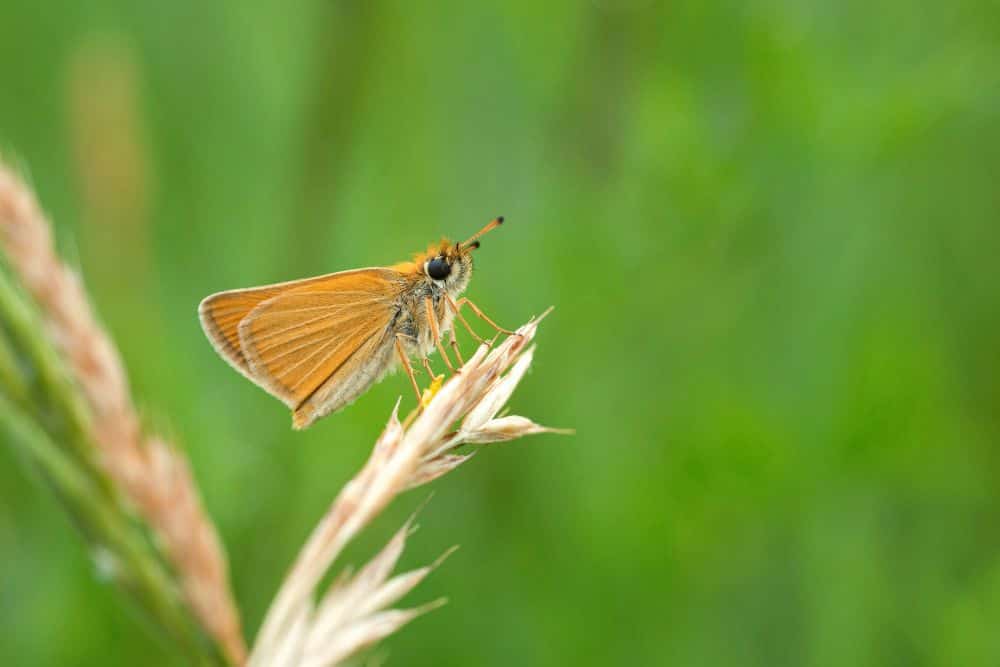
Tip: if it’s early in the flowering season, put out some sliced banana and/or sliced orange segments to give butterflies and moths a boost.
Water Sources
Butterflies and moths need water to stay hydrated and get vitamins and minerals to survive. If you don’t have a pond, you can still create a butterfly garden by allowing shallow puddles to form or placing saucers around the area. Bird baths are another way to add a water source to the garden but as long as whatever you use is easily visible and accessible, butterflies and moths are more likely to visit and stay.
Don’t Use Pesticides
Pesticides can be hazardous to butterflies, moths, and other important pollinators. I only use organic non-toxic slug repellants* that are safe for use around children, pets, and wildlife, otherwise I rely on organic options such as ladybirds and ladybird larvae. Tip: companion planting is a great way to repel pests and attract butterflies and moths in the same garden.
Provide Shelter
Just like us, butterflies and moths also need a home to stay in and protect themselves from extreme weather. They can survive on trees and shrubs, but hanging up some dedicated butterfly houses* for them to rest and hibernate in means you’ll attract even more insects into your garden.

Other things you can do include placing large stones in the sunshine, so butterflies have somewhere to bask (our cats appreciate these too). If you can, planting a mixed native hedge will protect butterflies and moths from the wind. Alternatively, train climbing plants up walls and fences, where they can shelter from the rain and frost.
Tip: don’t be in a rush to tidy your dead foliage away before Winter arrives. Allowing leaves and vegetation to pile will provide shelter for insects to hibernate and rest. Even better if you can make a small log pile as some moths breed in dead wood too.
Keep A Diary
As butterflies and moths start to visit and inhabit your garden, keeping a diary will help you track who visits and when. You can also keep a note of pest problems, their favourite food and shelter plants, when they emerge from their chrysalises, and anything else you can think of. Get the kids involved as well, and make sure you contribute all your findings to the Big Butterfly Count every year (July to August).

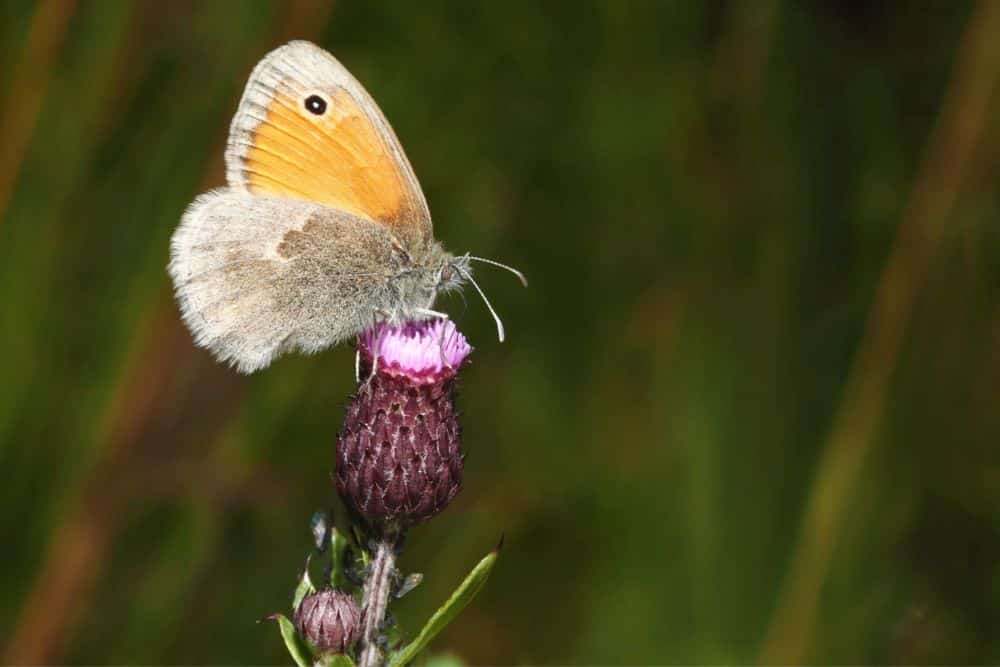
“If you smile when you see a butterfly, you have happiness in your soul.” Lastly, don’t forget to enjoy the fruits of all your hard work – take some time to simply sit, watch, and admire all the new visitors to your butterfly garden – and have some fun trying to identify them! I’ve downloaded several apps to try and identify this recent arrival in our garden but so far drawn a blank. So, if you know what type of butterfly this is, please do let me know 🙂
Are you a fan of butterflies and moths? Would you like to create a butterfly garden, even if it’s only a tiny one, in your outside space? What’s your favourite butterfly or moth?
* This post contains affiliate links, please see my Disclaimer.


Lovely post Lisa! I absolutely love butterflies, they’re so beautiful and the statistic of how much they’ve declined makes me really sad. I’ll be referring back to this post when I move as I’d like to add more animal friendly plants in my garden and I’d love to attract more butterflies!
Thank you, Jenny, I loved writing this one, partly due to all the butterflies in our garden this summer – we’ve been very lucky!
That is amazing to have a butterfly garden. I will definitely save these steps to do it in my future home. Love the idea of having butterfly garden.
That’s great to hear, I hope you’ll attract lots of lovely pollinators into your garden soon!
A lovely post on how to create a butterfly garden, butterflies are so pretty! x
Lucy | http://www.lucymary.co.uk
Thank you, Lucy, so happy you enjoyed it! x
I loved your ideas for creating a butterfly friendly space. Seeing a butterfly always brightens my day, they really are so lovely!
Thank you, Heidi, so pleased you enjoyed the post 🙂
I read the title and sat up. She’s never got a butterfly garden as well 😂🦋🤣. But then why am I even surprised supremo gardener about town.
But on a more serious note, you made me realise I don’t see butterflies that much any more and your intro highlights why.
You are too funny, Bev, but thank you! Actually, our garden has seen MASSES of butterflies this year, so I guess we’re doing something right, and we’re very lucky 🙂
I love butterflies and would love to have them in my garden. I’m so glad I saw your post today. I bookmarked it because I didn’t have the slightest clue which plants would attract butterflies.
Oh, that’s wonderful to hear, I’m so pleased this post was helpful, and thank you very much 🙂
My grandmother was big into her butterflies, so the initial plan for our garden was to have planters with lots of plants. Well, that shortly went out the window when she took the Irish weather into consideration. But, still, I have some hydrangeas that have held up well and attract some lovely bees and butterflies.
I know what you mean about the weather and hydrangeas are tough plants – as are buddleia so they would probably survive Irish weather as well!
I love butterflies. They are soooooo lovely to look at. And they add colors to your garden. Thank you for sharing your tips.
Indeed they are and do – thank you, Fadima!
I’ve always loved the idea of having native flowers so butterflies can come over and get their fill. We need more butterflies (and pollinators such as bees) around.
We do indeed, thank you, Winnie, glad you enjoyed the post.
Love these tips Lisa, we do all of them at home and on our allotment 🙂 x
Thank you, Caroline, I thought you would, I’ve seen all your amazing butterfly photos on your Instagram too! x
if/when I get to have a garden again, I would love to make it a place for butterflies and bees (and any other wildlife) to enjoy. Growing up as a child I used to sit near the abundance of Buddleia we had and watch all the butterflies visit. Wonderful!
Those are lovely childhood memories, Molly. And yes to buddleia, our white flowering one is amazing and attracts ALL the butterflies!
I really I wish I had the time and the space to do this. I always love when I go visit new places and they have a butterfly garden.
You really don’t need much space though, even a window box with some oregano or mint that you let flower would attract butterflies 🙂
Great tips! We call our butterfly garden the “purple garden,” since so many of those blooms are purple. I adore all the butterflies and moths that stop by to visit!
Oh, that’s lovely, purple is my favourite flower colour too!
Good article. Ever since we retired my wife has wanted a butterfly garden. I’m saving this for future reference
Thank you, I’m so pleased it’s useful – happy planting!
I love butterflies! Creating a butterfly garden is a fantastic idea, and these are helpful tips! At my apartment they mowed the grass, but they did keep a large section with flowers untouched, which was great.
That is wonderful to hear, Karalee, you have a very thoughtful maintenance team where you live, you are lucky!
Thanks for sharing, I do love see Butterflies in the garden, I do have some butterfly friendly plants on my patio including lavender and marjoram which they like. I do hope to have some more insect friendly plants once the summer comes again 🙂
Lavender and marjoram are great for butterflies – asters and sedums are also good as the summer heads into autumn, and some can grow in pots. 🙂
Lovely post! Your images on Insta are beautiful x
Thank you so much! x