
AD | Architecture is a beautiful art form that showcases many of the most outstanding examples of human creativity and innovation. For future architects, it’s crucial to know about your predecessors and their works. Learning from some of the most famous architects is one of the best ways to acquire knowledge, whether you marvel at the Giza Pyramids or sleek modern building complexes.
Why Should You Look To The Experts?
Looking back at the past creates a bridge between old and new and gives insights into how experts approached particular problems. Focusing on a practical example of what’s right, or what’s not, is much more educational than just studying the theory. This applies to all spheres of knowledge and college education. For example, when working on papers, students often search for examples and templates to better understand the guidelines and best practices.
This is a great opportunity to learn from the best and get professional paper writing help from a company such as WritePaper at the same time. This academic writing service offers examples, templates, and tips on how to nail any type of college assignment. And experienced authors also deliver writing, editing, and proofreading services to all students in need. So, if you’re a student who’s struggling with a paper, you can access expert guidance and help to build confidence, develop skills, and get excellent grades.
Which Famous Architects Should You Study?
Learning from the professionals of their day is a valuable experience for all architecture students, to give insights and inspiration and boost creativity. Here are nine of the top names in architecture every student needs to know.
Antoni Gaudi
No list would be complete without him and there can’t be many people who haven’t heard his name. Antoni Gaudi worked in Barcelona and drew inspiration from nature and its forms to create some of the most stunning buildings there.
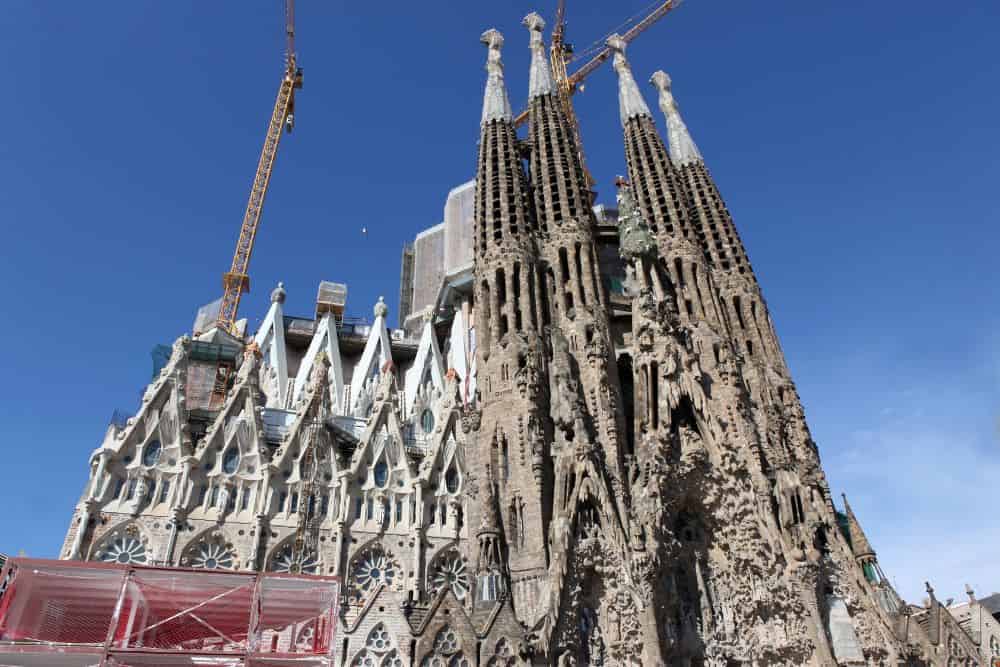
La Sagrada Familia is probably among his most impressive and famous works. The building of the cathedral started in 1883, and it’s still under construction. This created a whole myth around the structure and its peculiar look. Gaudi’s projects have unique looks with Baroque, Moorish, Victorian, and Gothic elements in a beautiful fusion. He has had a major impact on modernists and future generations of creators.
Le Corbusier
This is a pseudonym Charles-Edouard Jeanneret Gris took for himself. One of the most interesting and well-known Swiss architects, his work can be found all over the world, including: France, India, Switzerland, Belgium, Japan, Germany, Argentina, USA, Brazil.
Le Corbusier has influenced modern industry and humanities in terms of urban planning, anthropometric modular proportions, scale, and the five points of architecture. His structures are unique in form and materials and his impact can be seen in many current buildings as well.
Alvar Aalto
This Finnish architect designed not only buildings but also furniture pieces. Aalto’s works are outstanding examples of the Modern Movement of Architecture, with his unique style and attention to lines, proportions, and functionality.
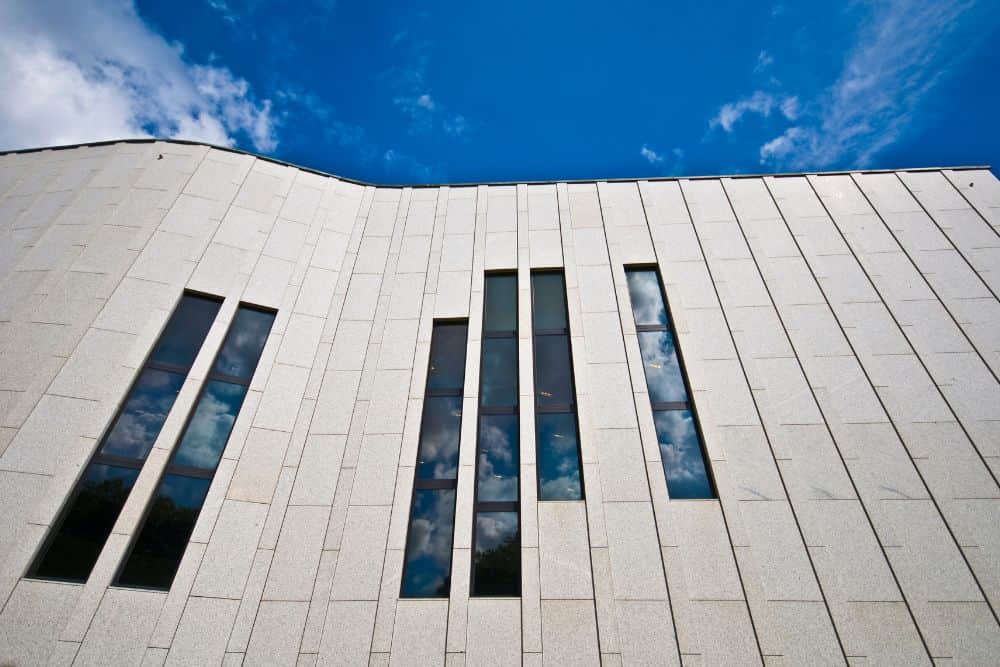
Another signature sign is his use of local materials and a range of stylistic choices combining functionality with aesthetics. In his early career, he worked with Nordic Classicism, while later projects lean into rational Modernism.
Louis Kahn
Louis Kahn is another representative of Modernism, who lived and worked primarily in Philadelphia. Although his buildings can also be seen in Bangladesh and India. The unique trait of his projects is the combination of Modernism with ancient traditions and an impressive fusion of materials, forms, and ideas. The landscape design also plays a major role as a backdrop to his buildings, which are heavy and grounded, while retaining grace and dignity.
Frank Lloyd Wright
This is another name every student should know. Wright was an extremely productive and talented American architect who designed more than 1,000 structures in his long career. The main idea behind his creations is the harmony between people and the environment, a philosophy known as Organic Architecture, which many modern projects feature by combining outdoor and indoor living.
Wright believed that structures should be not only functional and beautiful but also sustainable. He’s one of the greatest American masters with a signature geometry and horizontal planes.
Mies Van der Rohe
Mies Van der Rohe brought the principle of “less is more” to architecture with his deceptively simple geometric and minimalist designs. All ornamentation is gone, and the buildings acquire strict rationalism and a lightweight look.

During his time serving as the director for Dessau Bauhaus, the significant impact on his style became clear. His projects are all about functionality and using quality materials such as steel and plate glass. Form equals function, which is what makes his designs so authentic and exciting.
Zaha Hadid
Dame Zaha Mohammad Hadid was often called the Queen of the Curve for her unique vision. She was an exemplary modern creator with a huge influence on the current state of the industry. And she was the first woman to win a Pritzker Award (2004) and the Royal Gold Medal RIBA (2016).
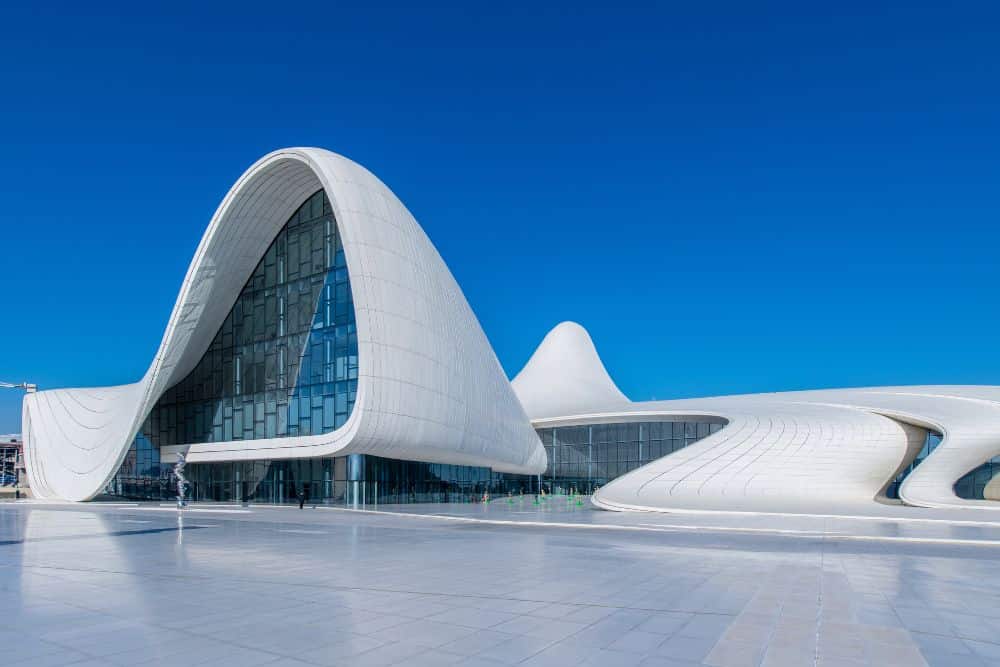
Although she worked in a male-dominated industry, she brought new ideas and forms with her futuristic style that’s full of light. The structures seem simple because of the easy facade flows and curves that use quality and natural materials like concrete and metal. And her works can be found all over the world, including in China, Scotland, England, and Azerbaijan.
Tadao Ando
Tadao Ando is a modern-day creator with an original style. Born in Japan in 1941, he stands out because he’s a self-taught architect, which is rare for this industry. Known for his work with light and concrete, his projects combine outdoor and indoor spaces in peculiar ways. Ando’s style can best be described as a combination of Modernism and Japanese tradition.
I.M. Pei
Surely everyone has seen the Louvre Museum’s triangular design, at least in pictures The man behind it is I.M. Pei, a Chinese American creator whose signature is elegance and size. He worked with large urban structures and his vision often comes in irregular forms, lines, and rectangular silhouettes. Pei’s original geometric vision has influenced many other creators.

So, these are the nine of the most famous architects that every architecture student should know, and try to learn from their best examples of creative thought and human self-expression. Each of these artists has their own authentic style and vision, which has made a huge impact on our built environment. And they all had a major impact on the development of methods, principles, and concepts both today’s designers use and our planners and architects of the future. Which one is your favourite?
* This is a collaborative post – please see my Disclaimer.


Leave a Reply